AI compute2026-08-26 08:48:30AI Compute Demand Pushes Memory Costs Higher as Amazon and Other Tech Firms Raise Hardware PricesRising demand for AI compute is continuing to drive up memory chip prices, with the cost pressure now moving downstream into consumer electronics and hardware products. Amazon has recently raised prices on several devices, including its best-selling entry-level Echo smart speaker, which went from $49.99 to $79.99, and a 16GB base-model e-reader, which increased from $109.99 to $149.99. Before Amazon’s move, Apple, Microsoft, and Dell had already responded to higher storage costs by lifting product prices or cutting standard memory configurations in hardware lineups. IDC had previously warned that the global memory supply crunch could last through 2027. Industry expectations cited in the report say storage chip prices may peak in 2028 before gradually easing. The latest pricing changes point to how AI-related infrastructure demand is spilling over into broader hardware supply chains.1280
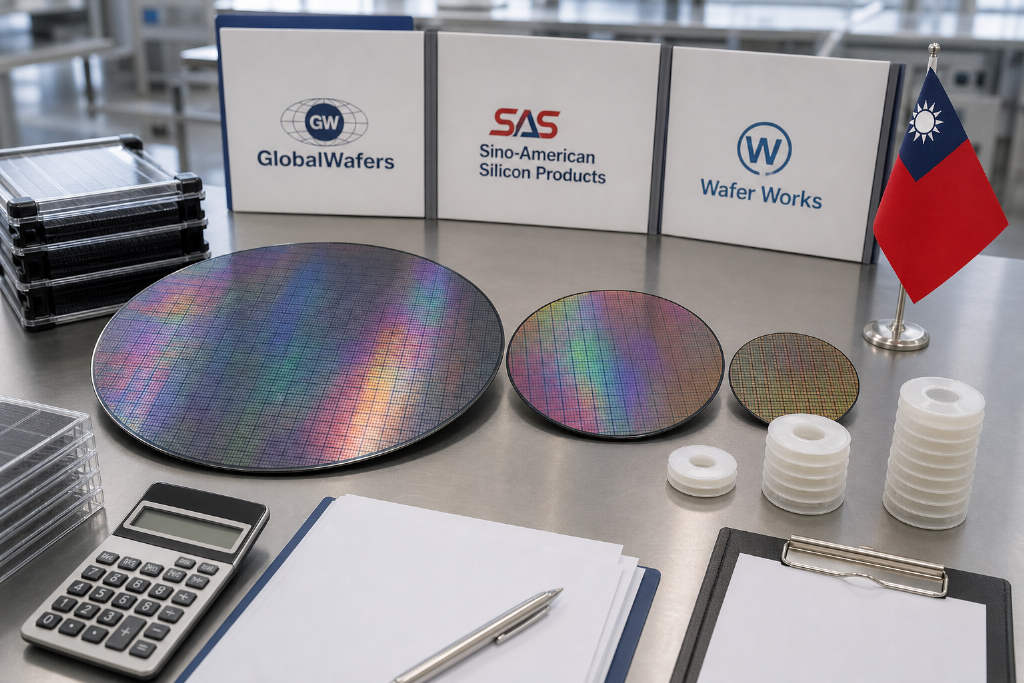
silicon wafer2026-08-24 01:12:50Silicon wafer prices post first notable increase since the pandemic, with 12-inch products already seeing new quotesSilicon wafer prices have recorded their first clear increase since the COVID-19 pandemic, according to an Economic Daily report cited by ChainCatcher. The price adjustment covers the full range of wafer sizes, including 6-inch, 8-inch, and 12-inch products, with increases starting at 10%. The report said market participants view this as the first wafer price hike in more than three years. Major Taiwan suppliers including GlobalWafers, Taiwan Speciality Silicon, and Wafer Works could see improved revenue and profit if the higher pricing holds. GlobalWafers said demand in some end markets has been improving and inventory conditions across the supply chain are healthier than before, though actual pricing still depends on product mix, specifications, and customer profiles. Taiwan Speciality Silicon said it has begun discussing price adjustments with customers as cost pressure and demand provide support, and it expects second-half operations to outperform the first half. Wafer Works said it is actively negotiating revised quotes and continuing to advance products tied to advanced packaging. Industry analysis cited in the report linked the latest round of price increases to an AI-driven recovery in chip demand, with both advanced-node and mature-node usage rising. Some 12-inch polished wafers have already adopted new double-digit percentage quotes, while 8-inch and 6-inch products are being negotiated in the same direction.1190
Xiaomi2026-08-03 12:52:15Xiaomi raises prices across nine phone models as shipments decline and memory costs climbXiaomi has raised prices on nine smartphones across the Xiaomi 17, REDMI K90 and Turbo 5 lineups, marking its third round of price increases this year. The latest move, rolled out on Aug. 2 through Xiaomi Mall, pushed flagship Xiaomi 17 models up by 400 yuan to 500 yuan, while REDMI devices in two product lines were lifted by 300 yuan. The top-end Xiaomi 17 Pro Max now starts at 6,499 yuan, up from 5,999 yuan. The pricing changes come as Xiaomi faces weaker shipment numbers. IDC said global smartphone shipments fell 6.7% year over year to 277.5 million units in the second quarter of 2026. Xiaomi shipped 31.2 million units for an 11.2% share, ranking third globally, but its shipments dropped 26.3% from a year earlier, the steepest decline among the top five vendors. Omdia reported that Xiaomi shipped 8.2 million units in mainland China in the same quarter, down 21% year over year, leaving it fifth in the market. The report ties the latest price increases to rising memory costs. Xiaomi President Lu Weibing previously said prices for the same memory configuration had surged nearly fourfold from the first quarter of 2025, while IDC estimated consumer memory costs were up nearly 300% year over year.2530